
REINTEGRATION PROJECTS
New Project Azad
Freedom Is More Than Release
Goal: Prisoners and released prisoners are free from a life of crime and are successfully reintegrated into the society.
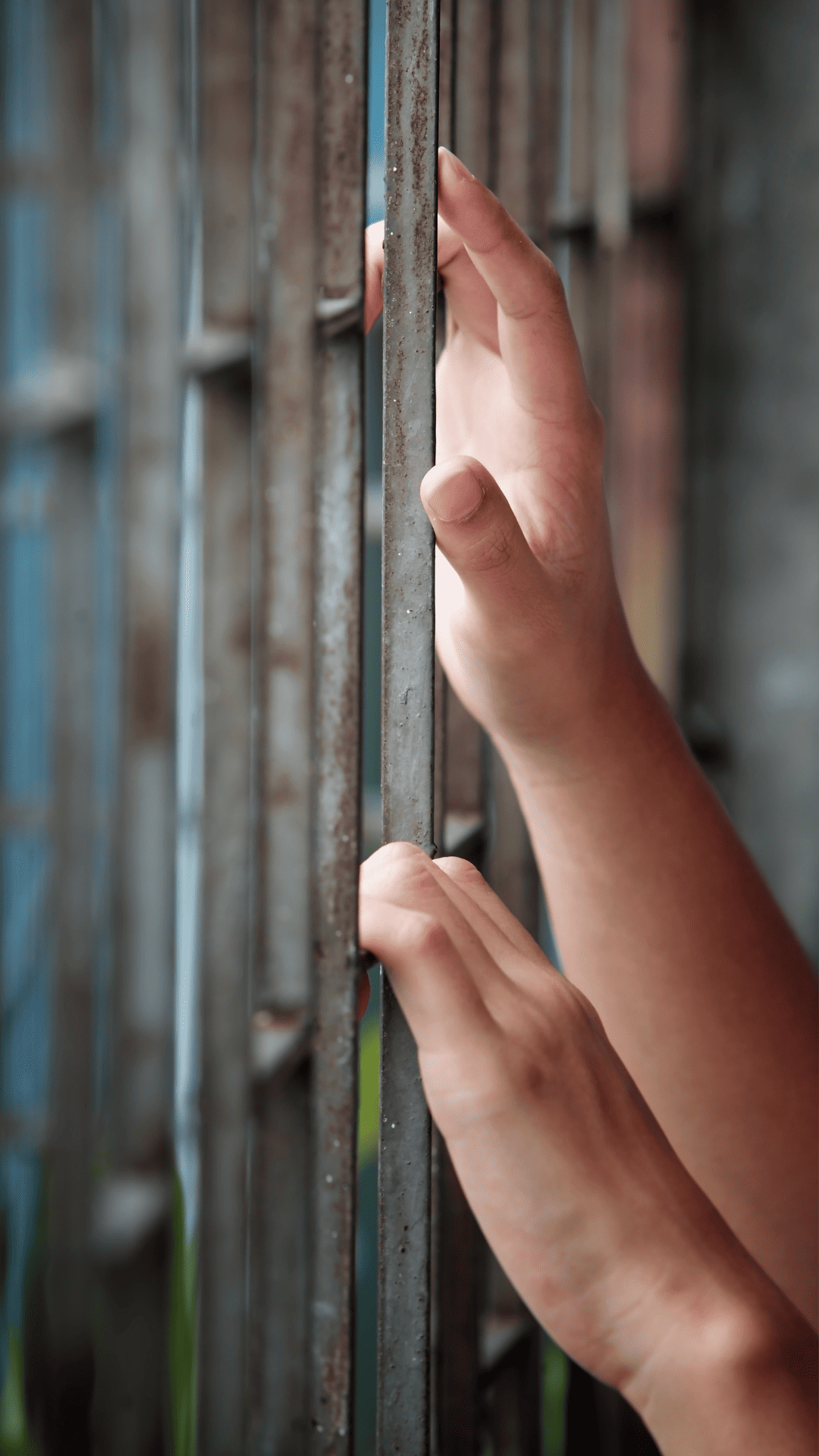
Behind the Label of Prisoner
In a city like Mumbai, thousands of individuals sit inside prisons, and thousands more families wait for them outside. Their stories are too often reduced to a single label: prisoner. But behind that label are people whose circumstances are far more complex, and far more human, than that word suggests.
Nearly 75% of India’s prison population consists of undertrial prisoners: people who have not yet been found guilty of any crime. Many are first time offenders held for petty offences, driven not by intent but by poverty, unemployment or desperation. Some remain incarcerated for months or even years as undertrials, and in some cases their time in custody can equal or exceed the likely sentence for the alleged offence.
For many, continued imprisonment is not because they have been found guilty, but because poverty prevents them from securing bail, arranging surety, or accessing timely legal support.
The impact on families outside is immediate and severe. When the breadwinner disappears into prison, rent goes unpaid, food becomes scarce and children are pulled out of school. Stigma follows the family into every space: the neighbourhood, the school, the institutions that are supposed to help. Dignity erodes for everyone.
When prisoners are finally released, the challenges do not end. Stigma follows them. Without skills, confidence or a support network, many return to the same circumstances that led to their incarceration in the first place. Not because they are beyond change, but because change requires more than release. It requires a pathway.
Project Azad is that pathway.
Nearly
75%
of India’s prison population consists of undertrial prisoners
Source: National Crime Records Bureau (NCRB), Prison Statistics India; National Legal Services Authority (NALSA).
Poverty, lack of surety and limited access to legal support keep people in prison — often for months or years — before guilt has been established.
Our Reach
5,000+
prisoners, released prisoners and their families supported in 2025-26
Over 90%
of released prisoners in our database living free from crime
prisoners released through legal aid
prisoners benefited from medical camps
prisoners completed NSDC certified courses
released prisoners were supported to start jobs and business
children of prisoners given educational support
Support That
Begins Inside and Continues Beyond
Project Azad works across the full arc of incarceration and reintegration: supporting individuals within prison, helping families hold together on the outside, enabling timely release for those detained only because of poverty, and walking with people through the transition back to life in society.
Inside the Prison
The intervention begins within the prison itself. Functional literacy programmes help individuals read, write and engage with basic information, building the confidence and capacity to make informed decisions. Legal awareness sessions ensure people understand their rights and the processes available to them. Mental health support creates space for reflection and resilience. Healthcare camps bring general, skin and gynaecological care to environments where access is severely limited. And vocational training, leading to nationally recognised certifications, gives individuals qualifications that carry real weight upon release.
Bail Support
A central and distinctive component of Project Azad is bail support. After careful due diligence, including consultation with prison authorities, home visits and review of case history, financial assistance is provided to enable the release of undertrial prisoners who cannot afford bail, with a particular focus on first time and petty offenders. Every additional day spent in prison makes reintegration harder and family situations more precarious. Bail support is not just a financial intervention. It is a critical early step in breaking the cycle.
Reintegration After Release
When individuals are released, the focus shifts to helping them rebuild. Vocational training, job placements and support in starting small businesses provide a pathway to stable livelihood. Mentoring and guided accompaniment help people adjust to life outside: rebuilding relationships, re-establishing routines, and finding their footing in a world that has continued without them. The goal is not merely release. It is a genuine and dignified return to society.
Supporting Families
Project Azad works closely with the families of prisoners throughout the period of incarceration, not only at the point of release. Emergency support addresses immediate needs: food, rent, basic living expenses. Vocational training and job placements help family members rebuild financial stability. Children receive educational support and sponsorships to keep them in school, protecting the next generation from being drawn into the same cycles.
Strengthening the System
Project Azad also invests in the broader prison ecosystem. Training programmes for prison staff contribute to a more humane and responsive institutional environment. Sahaara engages with stakeholders and public forums to shift how prisoners and their families are perceived by society. Because prisons are not meant to be purely punitive. They are meant to be places of reflection, reform and rebuilding. And since most people in prison will eventually return to society, the real question is not whether they come back, but in what condition.
One Life Restored
Project Azad is built on a conviction that is simple but deeply held: when individuals are given access to knowledge, when their dignity is restored, when their families are supported, and when pathways to livelihood are created, transformation becomes possible.
The journey is not quick. It requires time, trust and sustained effort from the individuals themselves, from their families, and from those who walk alongside them. But it is real. Individuals begin to regain confidence. Families begin to stabilise. Children stay in school. And slowly, the cycle that once led to incarceration begins to break.
One life restored is not an isolated outcome. It is the beginning of something wider. When the right support reaches people at the right time, it restores families, stabilises communities, and contributes to a society defined not by exclusion, but by the possibility of change. Project Azad exists to move individuals from incarceration to reintegration, from stigma to dignity, and from survival to meaningful participation in the world.
Freedom is not just release. It is the conditions, the support and the belief that make a different life genuinely possible. That is what Azad is for.
Related Stories
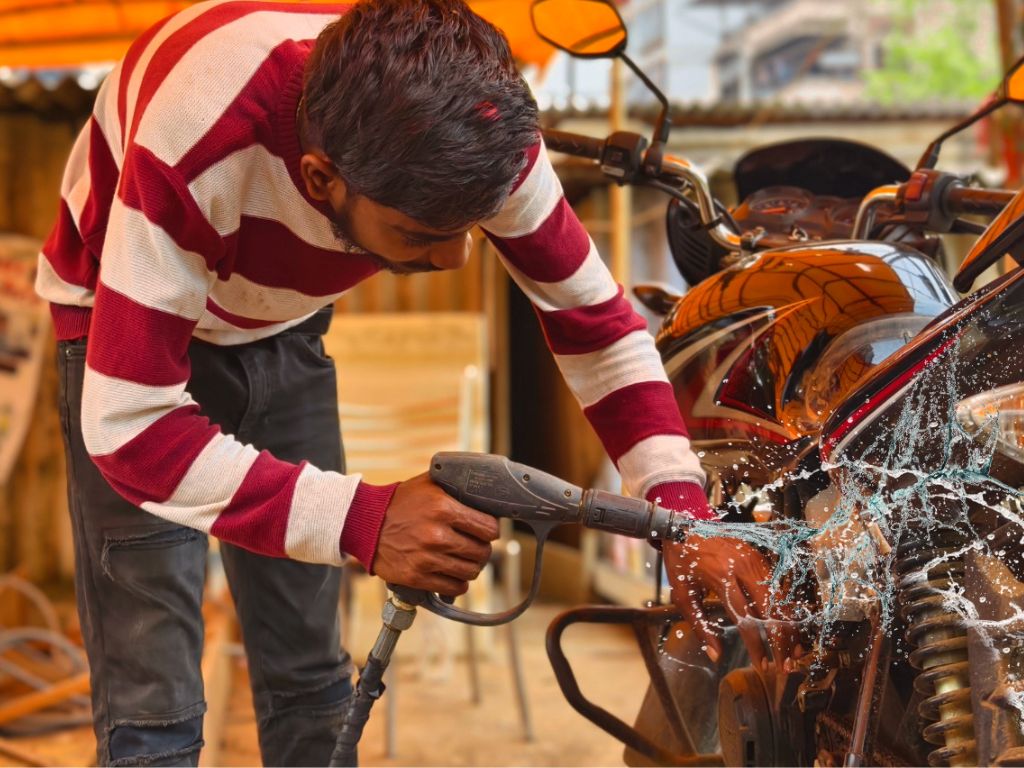
Washing Away the Past
Ramesh* is a 21-year-old young man from Ulhasnagar, Maharashtra. He lives with his mother and elder sister. After his father passed away, the family faced a lot of financial struggles. His mother began working as a housemaid, while Ramesh had to take on…
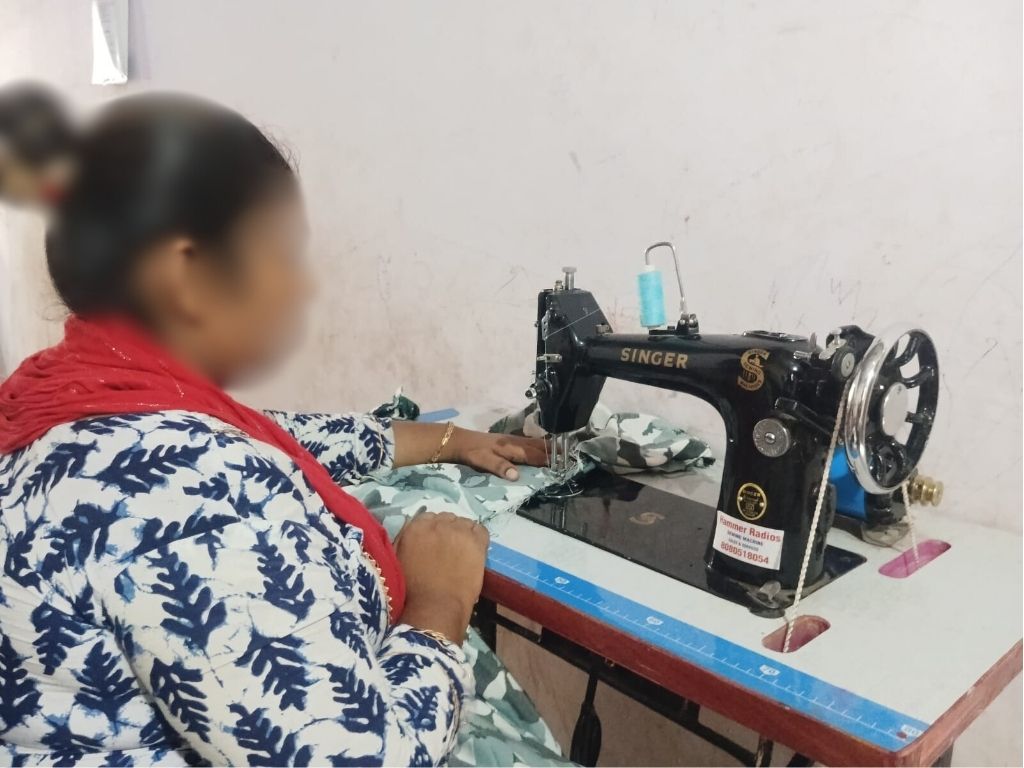
Stitching a New Start
Rekha* had never held a book in her hands until she landed in jail. Life had been unkind from the start. Her husband had married another woman and left Rekha to care for their two young sons without any financial or emotional support. Struggling to survive and feed…

Threading a New Path
Savita* never imagined her life would take such a difficult turn. With three children to raise and no family to support her, she suddenly found herself alone when her husband was imprisoned under serious charges. The loss of the family’s only income pushed her into a…