
CHILDREN IN AND AROUND RED-LIGHT AREAS
Project Pratham
Because Education Must Come First
Goal: Children in and around red-light areas develop educational and life competencies in a supportive eco-system and become positive contributors to society.
Going to School Is Not the Same as Learning
For children growing up in and around red-light areas, school exists. The desire for a better future often exists. But between those two things lies a wide and difficult distance.
Poverty, instability, overcrowded classrooms, the stigma of their neighbourhood and homes with no quiet place to study all work quietly against a child's education. Children fall behind. Learning gaps widen. The classroom becomes a place of failure rather than possibility. Attendance grows irregular. And slowly, the connection to education begins to loosen.
The consequences reach far beyond missed lessons. Education is one of the most powerful protections a child can have. When it is interrupted or lost, vulnerability deepens. Project Pratham exists to make sure that does not happen.
Nearly
1 in 2
children of female sex workers in a recent Indian study had dropped out of school
Source: Artha – Journal of Social Sciences, “Children of Female Sex Workers: A Study of Situation and Vulnerabilities.”
Children growing up in red-light areas can face poverty, stigma, disrupted schooling and limited support for their education.
Our Reach
408
children supported through the programme
148
parents engaged in their children's learning journeys in 2025-26
%
children achieved school readiness
%
remedial learners reached grade-level competency
%
children continued schooling with zero dropouts
%
children showed improvement in weight
%
parents actively supported their children’s education
Walking with Children from the Very Start
Since 1994, Project Pratham has worked with children and families in and around red-light areas through a structured programme designed to meet children where they are and walk with them, step by step, towards educational confidence and lasting opportunity.
Early Childhood Education
For the youngest children, the first step is an introduction to learning itself. In a safe, warm and stimulating environment, children begin to experience what education feels like: structured activities, language, play and the social confidence that comes from being in a group. The goal is to prepare children genuinely for school and support their admission into formal education at the age of six. Many arrive without this foundation. Early investment makes a lasting difference to everything that follows.
Remedial Education
Many children are sitting in a classroom but working well below the level their grade expects. Project Pratham's remedial programme is designed to close that gap. Every child is individually assessed to understand their actual learning level, then taught from that starting point at their own pace. Over approximately three years, children progress systematically to grade level competency. The results reach far: children who close their learning gap in primary school are not dropping out at grade eight. They are completing secondary school, entering college, and building futures they could not have imagined before.
Supplementary Education
For children who have reached grade level, the support shifts. Supplementary education is not about closing a gap. It is about sustaining what has been built: deepening understanding, building confidence, and ensuring children continue to move forward through the years that matter most for their longer-term educational journey.
Life Skills, English and Digital Literacy
Learning does not end with textbooks. Life skills sessions help children understand their emotions, make responsible decisions, build healthy relationships and hold on to a sense of their own worth amid real pressures. Spoken English training and computer literacy equip children with the communication skills and digital confidence that the world increasingly demands. These are not extras. They are foundations.
Nutrition
Hunger is not a backdrop to learning. It is a barrier to it. Children who arrive without having had a proper meal cannot concentrate, retain information or engage fully. Project Pratham provides every child with one nutritious meal every weekday, Monday to Friday. For many, it is the one reliable, nourishing meal in their day. And it ensures that when they sit down to learn, they are genuinely able to.
Family, Community and Continuity
A child's learning does not stop at the centre door. Project Pratham trains parents to support their children's education at home and builds community educators and peer educators within the neighbourhood, creating local networks of encouragement that extend well beyond what any organisation can provide alone. Scholarships for school and college ensure that financial barriers do not bring an education to an abrupt end just as momentum is building.
Not Where They Come From
What Project Pratham is working towards is not just better exam results. It is children who walk to school with a sense of purpose. Children who, when they fall behind, have someone to help them catch up rather than quietly disappearing from the classroom. Children who are seen, by their teachers, their families and by themselves, not through the lens of where they come from, but through the lens of who they are and what they can become.
Education, when it works, does something profound. It interrupts cycles. It expands horizons. It gives children evidence of their own competence and worth. It offers them a story about themselves that is not defined by their surroundings.
The children growing up in and around red-light areas are not any less capable, any less deserving, or any less full of potential than children growing up anywhere else. They simply need the right support, sustained over time, to access what is rightfully theirs.
Education, when it works, does something profound. It gives children evidence of their own worth. And a story about themselves that is not defined by where they began.
Related Stories
Learning to Read with Confidence
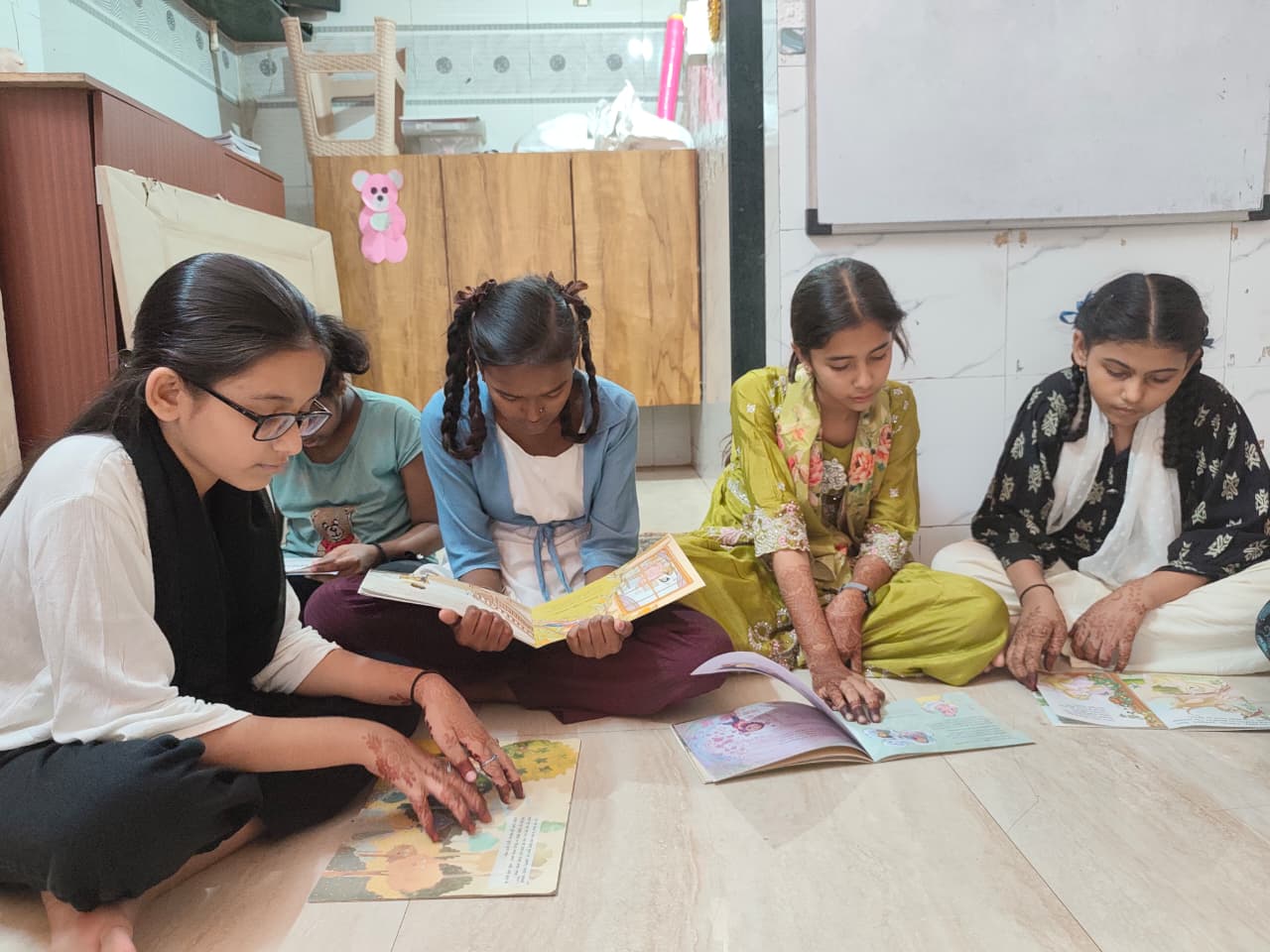
During a storybook activity at the Pratham Centre, Priya* sat with the book in front of her, trying to make sense of the English words on the page. She wanted to read, but the words felt difficult. English had become one of her biggest struggles. Reading,...
From Fear to Confidence
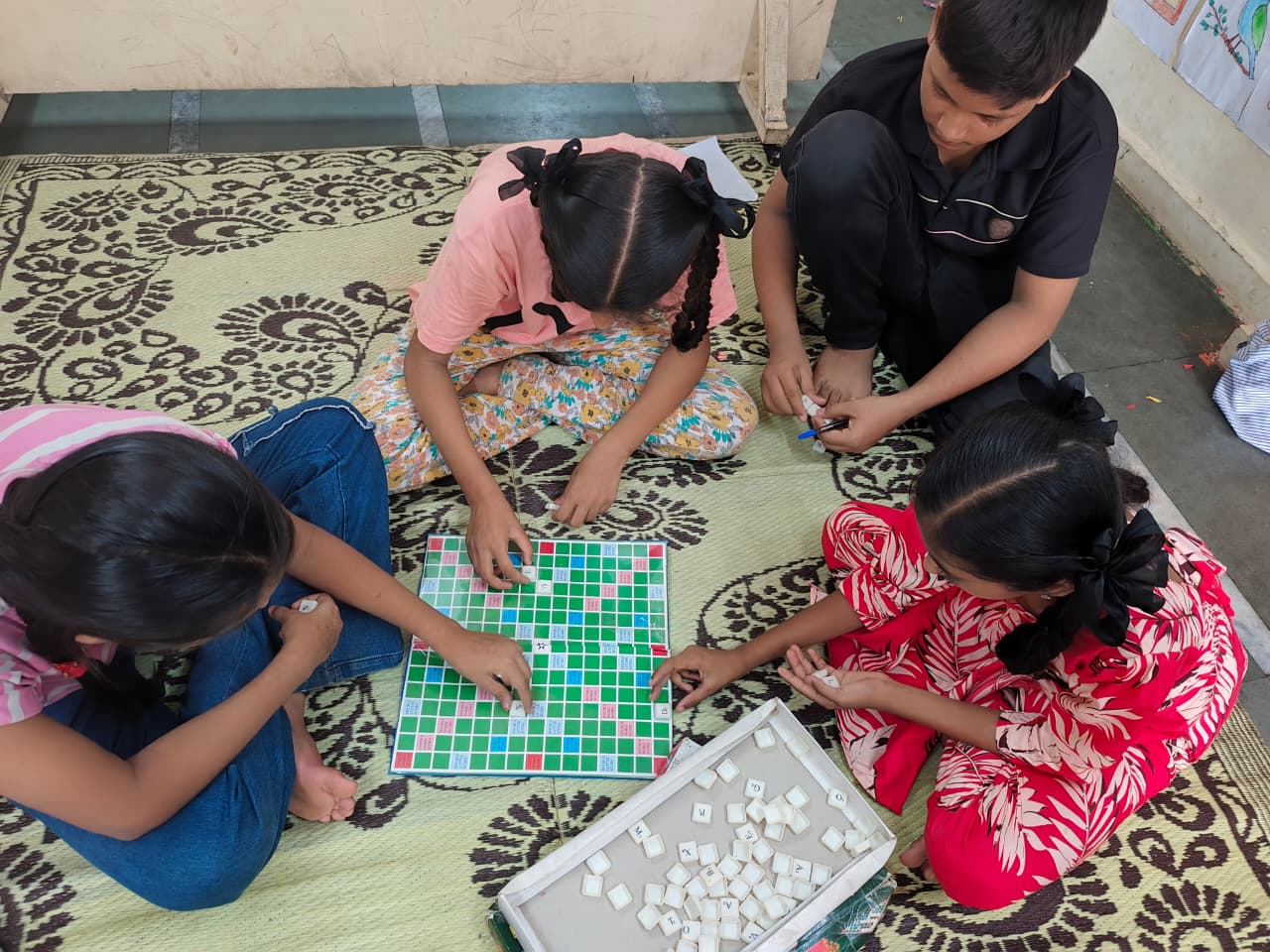
There was a time when Pooja* felt afraid whenever she was asked to read aloud in class. She could recognise only a few letters and simple words in Hindi and English. Larger words felt difficult. Writing sentences was hard. Understanding passages took effort. Each time...
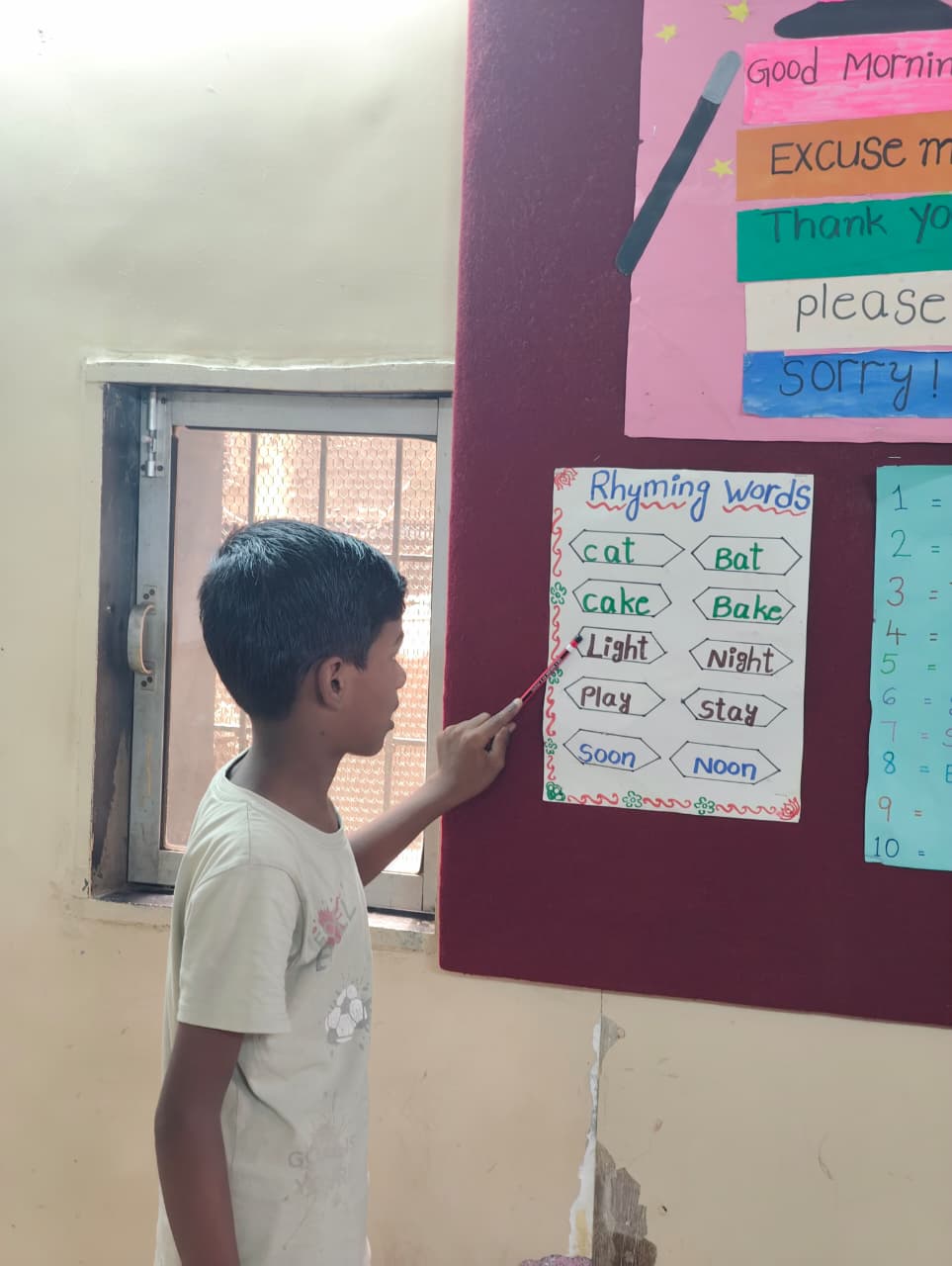
Finding Confidence, One Step at a Time
Aditya* is the kind of child who brings energy into a room. He enjoys talking to people, interacting with others, and being part of group activities. But behind his cheerful nature, there was a quiet struggle. For nearly two years, learning had not been easy for him....