
CHILDREN IN GOVERNMENT HOMES
Project Pragati
Progress Is Possible
Goal: Children in government homes develop educational and life competencies in a supportive eco-system and become positive contributors in society.
Children with Stories the World Rarely Hears
Every child in a government home has a story. Some were orphaned. Some came from families that fractured under the weight of poverty or violence. Some were survivors of trafficking or child labour. Some were abandoned. Each story is different, but all share a common thread: disruption. These children have lived through experiences that most adults would find difficult to carry, and they carry them every day.
Government homes provide something vital: shelter, safety, structure and daily care. They do this with genuine commitment, often under considerable constraints. But the needs these children bring in their learning, their emotional lives and their sense of who they might become are layered and complex. No single institution can meet all of them alone. That is not a failure. It is simply the reality of what deep vulnerability looks like.
Sahaara does not step in to fill a gap. It steps in to collaborate. Project Pragati works alongside government homes and their staff as a partner, contributing focused educational and developmental support towards the shared goal that matters most: helping each child genuinely progress.
Nearly
1 in 2
children assessed in Child Care Institutions had not yet reached basic word-reading and two-digit number-recognition levels.
Source: Delhi Commission for Protection of Child Rights (DCPCR), Foundational Learning Assessment, 2021.
Children in institutional care may attend school but still face significant gaps in foundational literacy and numeracy.
Our Reach
197
children supported across government homes in Mumbai
%
remedial education children acheived Foundational Literacy and Numeracy
%
remedial learners reached grade-level competency
Grade 12 graduates progressed to higher or vocational education.
Support That Goes Where the Child Is
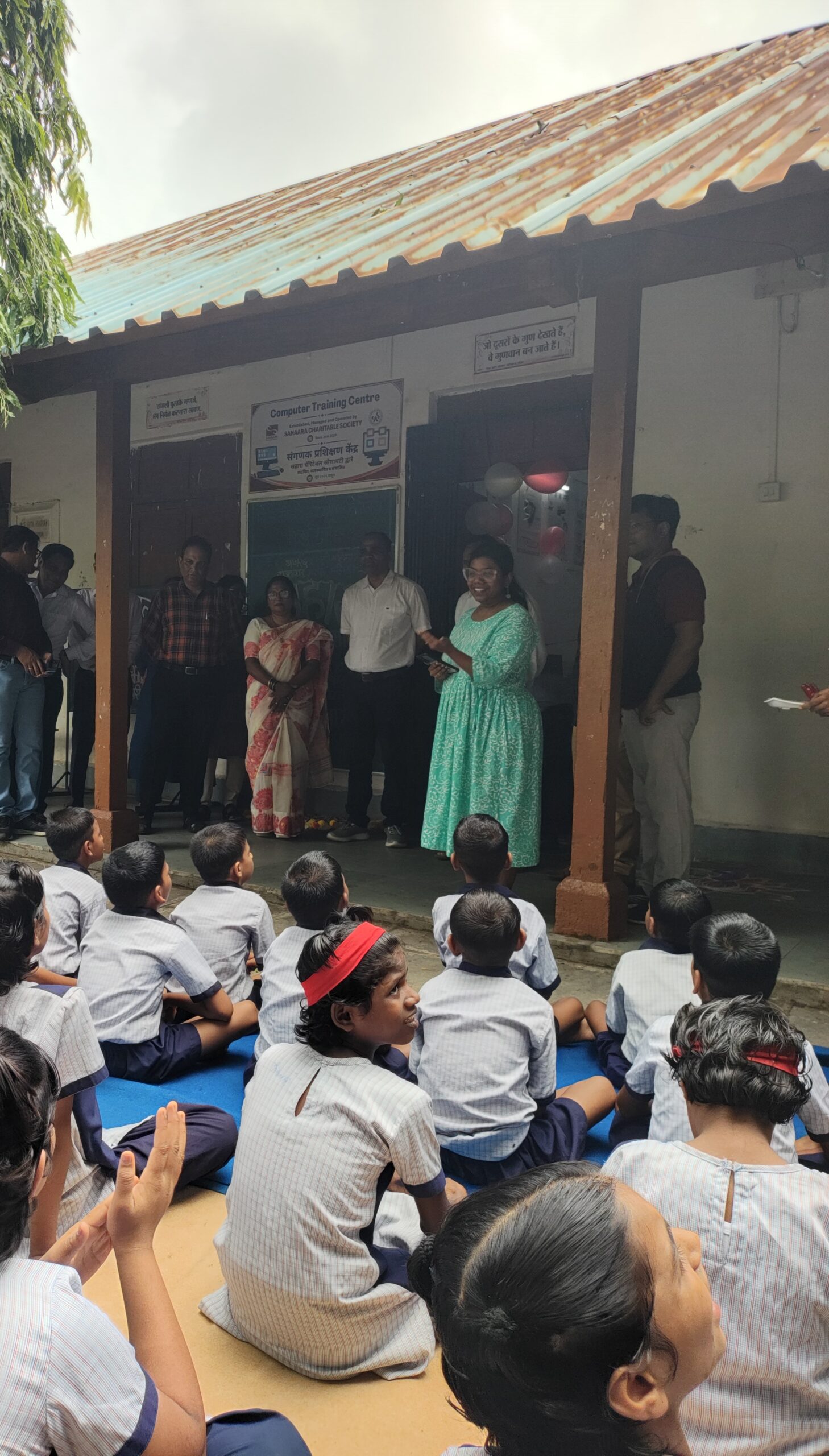
Since 2004, Project Pragati has worked with children in government homes across Mumbai, including homes under the Children's Aid Society at Mankhurd. The programme is built in close partnership with home authorities, caregivers and schools, and it follows children into the settings where they spend their days.
Support During School Hours
Most education programmes work after the school day ends. Project Pragati goes further. Sahaara staff are present within the school itself during school hours, supporting children in the actual learning environment where they spend the majority of their day. When a child encounters a difficulty in class, they do not have to hold it until later. The support is there, in the moment, while the learning is still immediate. It also strengthens the relationship between Sahaara and the school, building a shared and coordinated approach for every child.
Remedial Education
Many children arrive in school carrying years of disrupted learning. They are placed in a grade but working far below what that grade expects. Project Pragati's remedial programme addresses this directly: every child is individually assessed, then taught at their actual learning level, at their own pace. The goal is grade level competency, and the pathway to get there takes approximately three years. Children who close their learning gap go on to complete secondary school, and many continue into college. What begins as remediation becomes a turning point.
Supplementary Education
For children who have reached grade level, the support shifts. These are the years when formal assessments grow more demanding and children without a strong foundation can begin to falter. Project Pragati's supplementary programme sustains momentum through this critical stretch, deepening understanding and ensuring children continue to progress with confidence through secondary school and towards further education.
Life Skills and Emotional Learning
Academic progress matters, but it is not the whole picture. Life skills sessions equip children with the capacities they will need throughout their lives: self-awareness, emotional regulation, communication, decision-making, resilience and responsibility. For adolescents, peer education builds confidence and a sense of leadership, the experience of being someone who gives to others, not only someone who receives.
Digital Literacy and Career Readiness
The world these children will enter as adults is increasingly digital and increasingly demanding. Practical computer education expands what children can do and how they see themselves. For adolescents, structured career guidance, exposure to further education pathways and scholarships for college or vocational training ensure that financial constraints do not become the reason a young person's potential goes unrealised.
Working with Caregivers
Lasting progress for a child happens when the people around them are aligned. Project Pragati invests in caregivers and home staff through training and shared planning, building a common understanding of each child's learning and developmental needs. A caregiver who knows where a child is in their learning, and who can respond constructively to the challenges of daily life, becomes a powerful part of that child's support. This is how Sahaara and government homes pursue the same goal, together.
Progress Is Possible
Every child in a government home arrived there carrying something difficult. A loss, a disruption, a story that began in circumstances they did not choose. What Project Pragati believes, and works towards year by year, is that this story does not determine what comes next.
Children who receive consistent, individual and holistic support do not just improve academically. They begin to see themselves differently. A child who came to believe, through repeated experience, that they could not learn discovers through patient and targeted support that they can. That discovery changes something fundamental: what they attempt, what they hope for and what they believe about themselves and the future.
Every child, regardless of their background or the circumstances that brought them to a government home, has the capacity to grow, to learn and to contribute meaningfully to the world around them. Project Pragati exists to prove it, one child at a time.
Progress is possible. That is what the project's name says. And what its work, carried out in partnership with government homes, sets out every day to demonstrate.
Related Stories
Finding His Footing
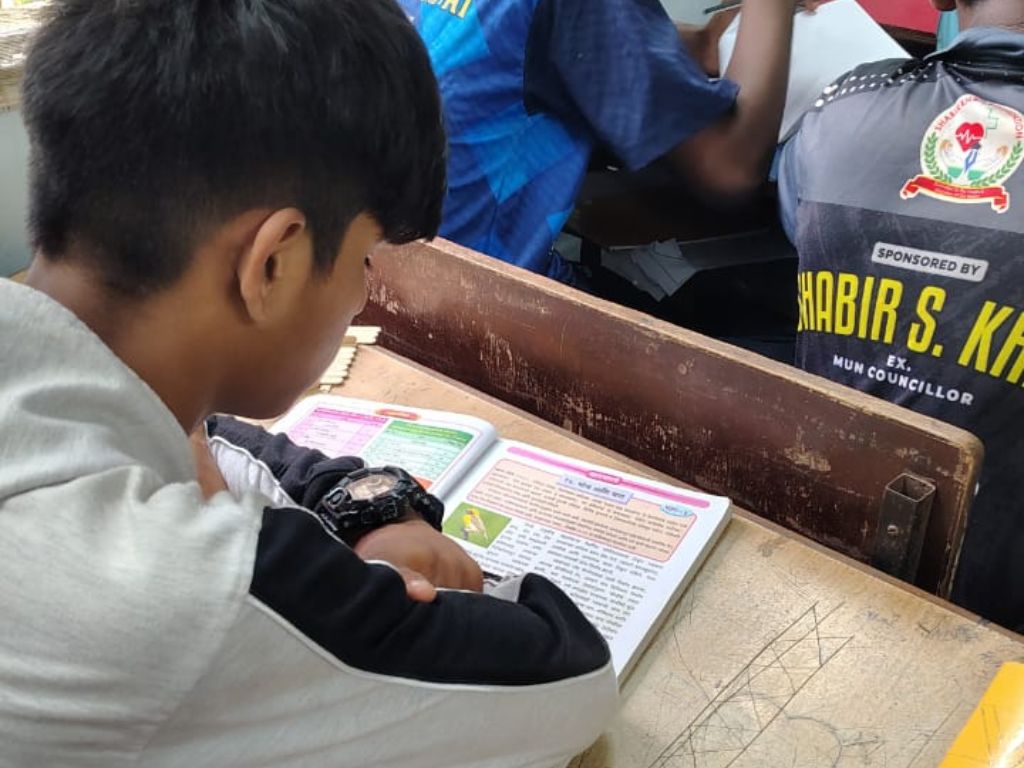
Shakti* is a tall, strong, and healthy 16-year-old boy originally from Karjat. Today, he lives at the Chembur Children’s Home (CCH) and studies in Class 9. His early childhood was marked by instability and hardship. Shakti’s father was an alcoholic and drug addict....
Roshan’s Journey of Hope
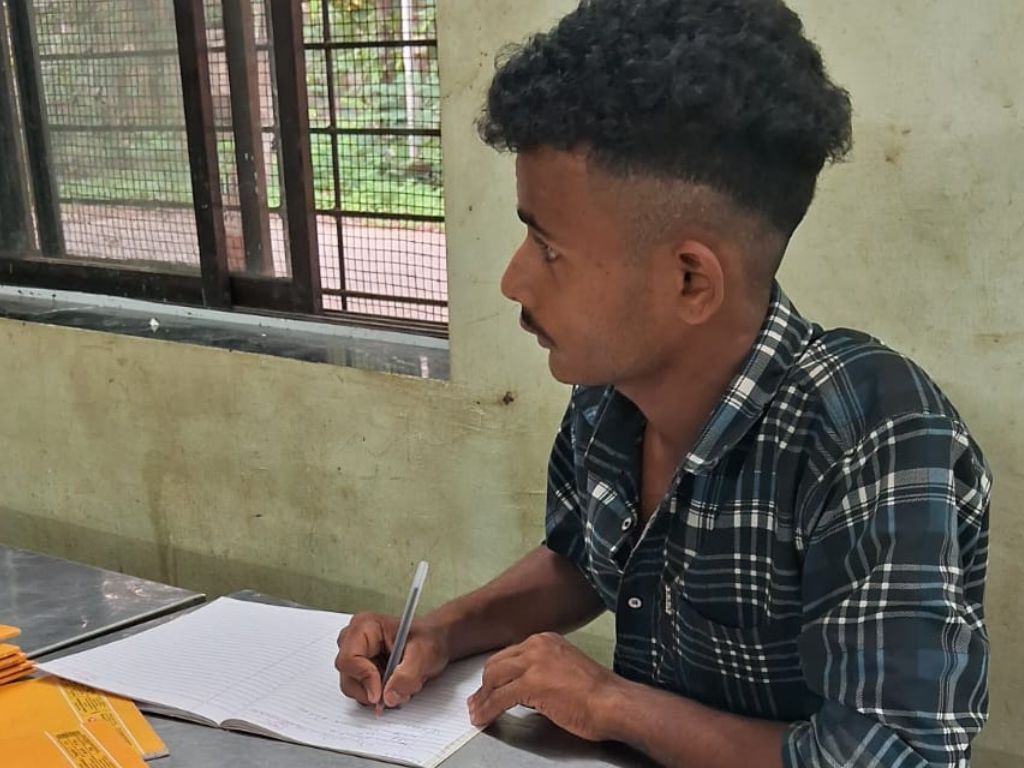
Roshan, a smart and cheerful boy from Ratnagiri, faced rejection early in life. His parents separated after a fight, and his mother never returned. His father later remarried, and Roshan was left without the care of either parent. He was eventually sent to live with...

A Voice Found
When Ravi* was found wandering alone in Mumbai’s Khar area at just nine years old, no one knew where he had come from or why he was there. Separated from his family and without care or direction, he was brought to Chembur Children’s Home (CCH) by the police in 2021....